Agora


Posts in Society
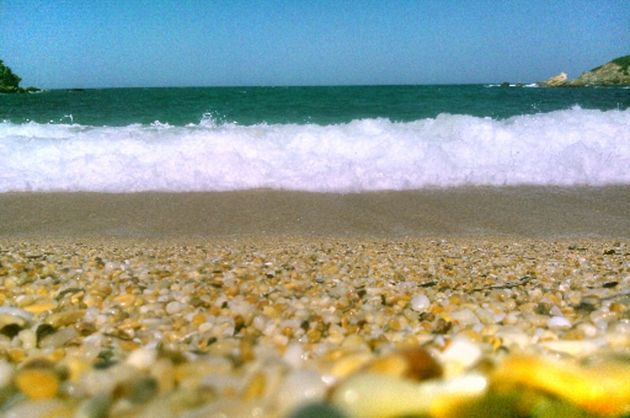 On the beaches
The quality of the water at 94 percent of Greek beaches was deemed excellent by the Foundation for Environmental Education (FEE), which awarded 408 Blue Flags to Greece this week, the second highest of the 48 countries the organization surveys. The high rating is testament to the care given local authorities, bathers, tourists, volunteers and Mother Nature.
Contributor: Nick Malkoutzis
Categories: Society (156), Greece (535)
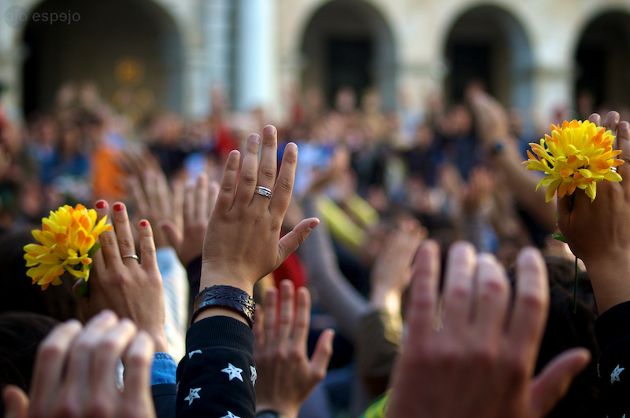 In Spain, the best generation is in danger of becoming the lost generation
A double degree in communication from Paris and Madrid universities, and a master’s in cultural policy at a prestigious British institution may have been enough for getting a job a decade ago in Spain but not now. Laura, 25 and unemployed for one year, voices her pessimism about her future prospects with resignation and defeatism amidst incessant murmuring about a coming economic recovery.
Contributor: Arturo Lopo
Categories: Europe (297), Economy (355), Society (156)
 No victory, just plenty of misery
It has become evident over the last few weeks that the eurozone’s pro-austerity camp is trying to defend its record, either through the ground it is afforded by influential media or through commentators that end up resembling cheerleaders rather than sober judges of the events that have unfolded in the single currency area.
Contributor: Yiannis Mouzakis
Categories: Europe (297), Politics (417), Economy (355), Society (156), Greece (535)
![Photo by Myrto Papadopoulos [www.myrtopapadopoulos.com]](resources/toolip/img-thumb/2013/10/09/poverty_myrto_0910-large.jpg "Photo by Myrto Papadopoulos [www.myrtopapadopoulos.com]") The Greek crisis we don’t see
The Greek crisis we don’t see
The economic impact of the Greek crisis has been well publicised. A recession that began in 2008 has led to GDP contracting by a quarter, while unemployment has risen above 27 percent. Greece’s fiscal consolidation effort has also received much attention. A general government deficit of 15.6 percent in 2009 was transformed into a small surplus in 2013 – one of the sharpest adjustments the world has ever seen.
Contributor: Nick Malkoutzis
Categories: Economy (355), Society (156), Greece (535)
 The wrong prescription
As is customary by now the troika’s return to Athens has been accompanied by a flurry of speculation about how targets will be met. This time the focus is on the structural rather than fiscal side. This simply means replacing the back and forth between Greece and its lenders over excruciating details of how money will be saved with a similar tug of war over the minutiae of reforms.
Contributor: Nick Malkoutzis
Categories: Economy (355), Society (156), Greece (535)