-
 The making and unmaking of "Greek statistics"
-
 Magdeburg shocks Berlin
-
 A summer tan can’t obscure Greek economic reality
-
 Podcast - Has Greece fully recovered from the crisis?
-
 The World Cup, Argentina and Europe’s quest for moral clarity
-
 Greek firms should embrace ESG and DEI despite US-led policy reversal
How inflation has reshaped Greek household spending
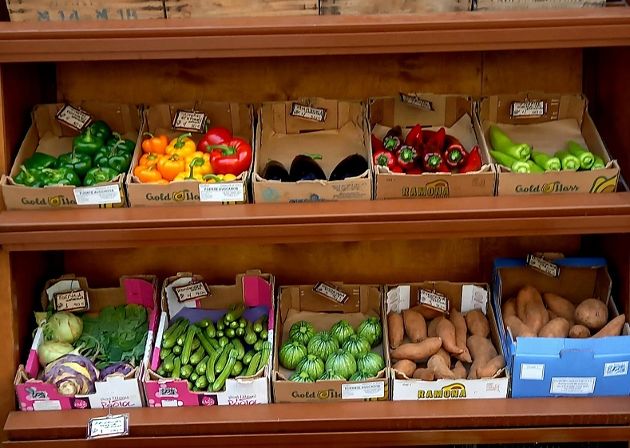
A specific form of financial pressure has accumulated in Greece over the past five years, reflected in a steady rise in the cost of living.
Between January 2020 and December 2025, consumer prices increased by 22.6%. An average household that spent €1,332 per month in early 2020 requires €1,634 in 2025 to purchase the same basket of goods and services.
The resulting gap - €302 per month, or €3,624 annually - represents higher outlays on housing, food, energy, and other routine expenses.
Understanding the impact of this period requires recognising the conditions that preceded it. From 2010 to 2020, Greece underwent extensive fiscal consolidation, including wage reductions, pension cuts, and higher taxation. These measures significantly constrained household budgets.
By 2020, the average monthly expenditure of €1,332 already reflected limited discretionary spending. According to Eurostat’s Household Budget Survey, Greek households allocated 23% of their consumption to food and non‑alcoholic beverages - one of the highest shares in the euro area and an indicator of constrained purchasing power. This was the starting point when inflation began to accelerate.
Inflation in 2021 averaged 0.6%, a level consistent with subdued demand and ongoing pandemic‑related measures.
Conditions changed markedly in 2022 following Russia’s invasion of Ukraine and the resulting disruption in European energy markets. Greece recorded annual inflation of 9.6%, the highest in several decades. Energy prices rose sharply, followed by food and other essentials. Households that had spent a decade adjusting to austerity were confronted with a new and distinct economic shock.
Price increases were uneven across categories. Food prices rose cumulatively by 34.9% between 2020 and December 2025, the largest increase in any CPI component. For a household with average 2020 food expenditure, this implies an additional €107 per month to maintain the same consumption. Transport costs increased by 24.6%. Housing‑related expenses, including rent, electricity, heating oil, and maintenance, rose by 28.3%, adding roughly €58 per month. Prices in restaurants and cafés increased by 29.6%, and clothing by 32.1%.
Only one category, communications (mobile telephony and internet services), declined, falling by 6.3% and reducing monthly costs by approximately €3.
Inflation moderated after 2022, with annual rates of 3.5% in 2023, 2.7% in 2024, and 2.5% in 2025. However, lower annual rates did not reverse previous increases; they simply slowed the pace of further rises.
A household that experienced a 9.6% increase in 2022 does not regain purchasing power when inflation falls to 3.5% the following year. By December 2025, the CPI had reached 122.56 (2020=100), indicating that nearly all categories of everyday expenditure (with the exception of communications) were significantly more expensive than five years earlier.
Across the five‑year period, the cumulative additional cost borne by the average household is estimated at approximately €12,500. This amount reflects higher spending required solely to maintain the 2020 standard of living, rather than any expansion in consumption. Economically, this represents a substantial erosion of real purchasing power.
The Greek case is notable because of the structural conditions in place before inflation accelerated. In 2020, household consumption as a share of GDP was already among the highest in the EU, reflecting relatively low incomes rather than unusually high spending.
The effects of the decade of austerity had not been reversed; they had stabilised at a lower level. When inflation rose, it did so in an environment where households had limited buffers and consumption was heavily weighted toward essential goods - the categories that experienced the fastest price increases.
The data therefore illustrates both the scale and the composition of the adjustment: a 22.6% rise in the overall price level, disproportionately affecting food and other necessities, and a monthly expenditure gap that reached €302 by the end of 2025.
In a country still managing the long‑term consequences of the previous decade, these developments represent a significant and measurable strain on household finances.